Ah, There's the Strings: From the Midwest/US, through Military Life, and Immigration to Aotearoa New Zealand | My 1 Year Later Update
TL;DR
Twenty years ago I left for the Air Force. One year ago I left for Aotearoa New Zealand. Looking back across four chapters, I can finally see the strings that were always there: the stories we are raised on, the machinery behind the wars, and the interests that benefit when we stop asking questions. What follows is a map of how I learned to see, and why I chose, with clear eyes, to build my family's life here.
Each chapter taught me to question a story I had once accepted without thinking.
The Air Force left me with no regrets and a hard education: people are people, and it is war machines and dictators who forget it.
Seeing the strings is where we can make better decisions.
I came towards something specific: clean air, humane healthcare, good education, and a culture worth respecting.
New Zealand still has plenty to improve, and it deserves to be measured against its own potential. What is good here is worth protecting, and I intend to help protect it.
Introduction
There is a moment, if you are lucky, when the backdrop of your life shifts an inch and you catch sight of the wires holding it up. For me it came in pieces, over twenty years and three continents, until one day the pattern was plain and I thought: ah, there's the strings.
This month marks two anniversaries. Twenty years since I first put on a United States Air Force uniform, and one year since my family and I landed in Aotearoa New Zealand. Between them sit four chapters: a Midwest childhood that taught me the world ended at the county line, eight years in uniform that taught me it did not, twelve years building a cybersecurity career (plus the eight in security forces) while my partner and I started a family, and now a year learning to live as an immigrant on the far side of the planet.
I am writing this for two kinds of readers. For friends back in the States who wonder what on earth I am doing down here, and for the people in Aotearoa who have welcomed us (or perhaps those who hesitate to welcome us) and might reasonably want to know why we came. I mean it as an honest account of how each chapter changed what I could see, and how seeing clearly led me, without regret and without bitterness, to choose the life we are building now.
Chapter One. Davenport, Iowa: The Midwest
I grew up in Davenport, Iowa, a river town on the Mississippi where the prevailing wisdom was simple: why would you travel when you have everything you need right here? It was said with real contentment, and for plenty of people it held true. The river, the seasons, a high school, a church, work within a few miles of where you were born. A whole life could be lived inside one comfortable circle, and most of the people I loved did exactly that.
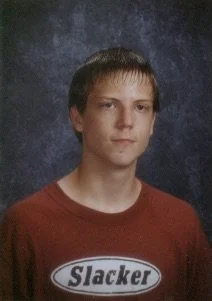
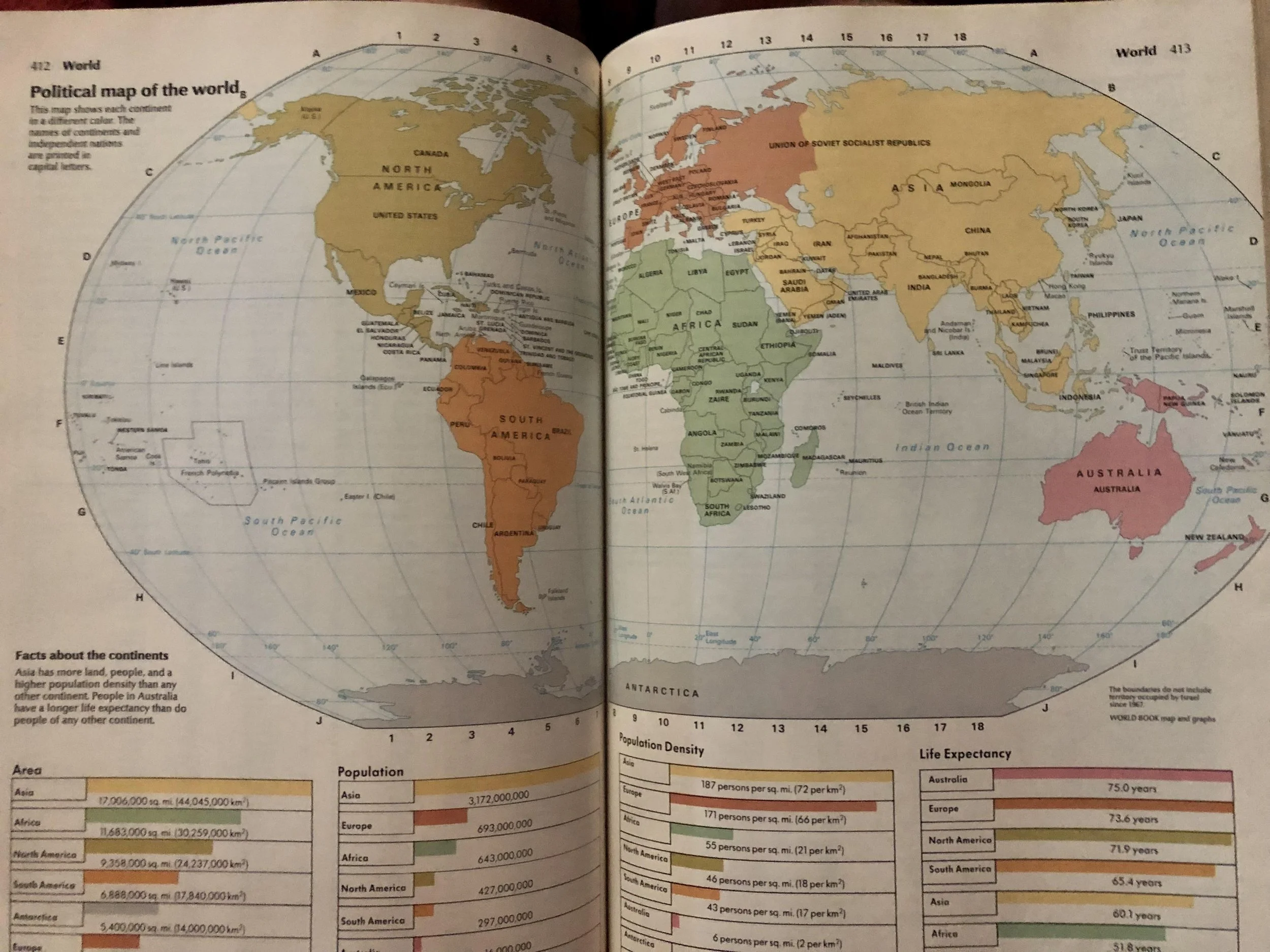
I was an ordinary teenager at West High, more interested in slacking than in maps. If you had handed me a world map and asked me to point to New Zealand, I would have struggled. In the textbook I actually used, it sat in the bottom corner, small enough to miss, a near afterthought below Australia. I had no reason to look any harder. The county line was about as far as my imagination ran.
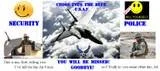
So I left for the Air Force at eighteen. It was my way out. I made a little goodbye graphic and posted it to MySpace, the way you did in 2006, and closed the only chapter I had ever known. What I was about to learn, slowly and at some cost, was how much further the world runs than the county line, and how little it notices the line is there. (It did not survive decades of conversions and compressions).
Chapter Two. The Uniform: Learning to See the Strings
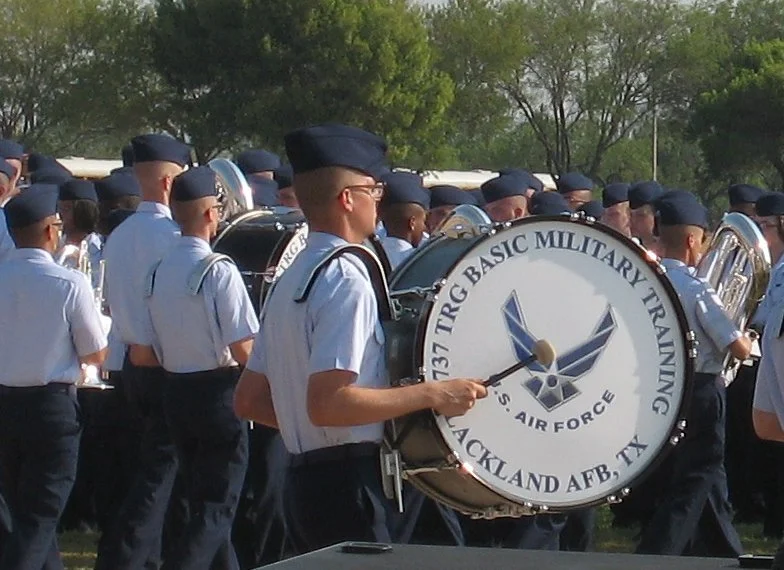
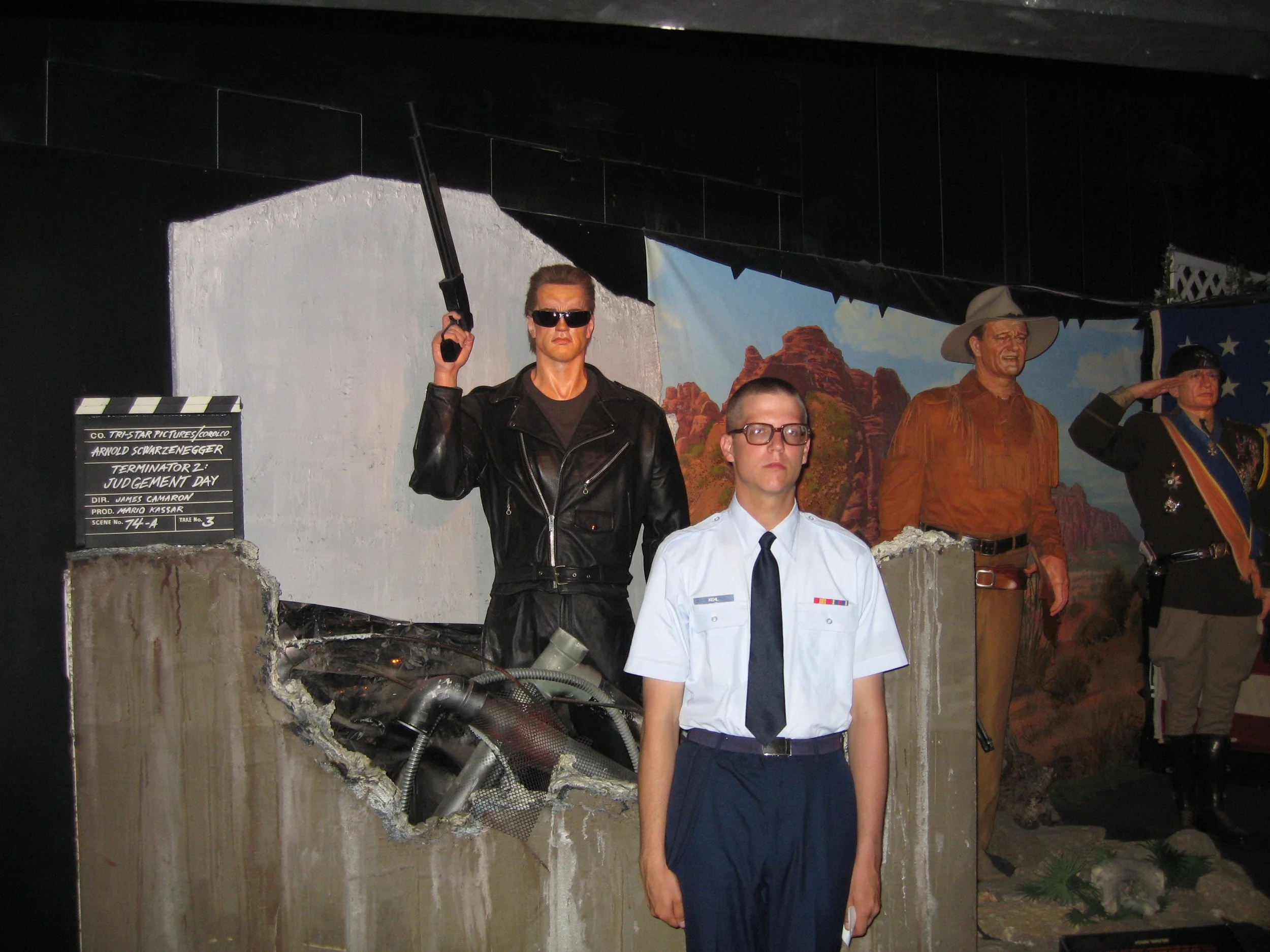
I was raised on a story. The good guys wore the flag, the bad guys were over there, and freedom was the thing other people envied us for. At eighteen I believed it so completely that I enlisted to defend it. Basic training in San Antonio in 2006 was equal parts pride and theatre. They needed someone tall to carry the bass drum in the squadron band, and since I have no musical ability whatsoever, height was my only qualification. On graduation we did the tourist thing at the wax museum, where I stood next to the Terminator and felt, briefly, like I had arrived somewhere.
Security Forces is the Air Force's closest thing to infantry and security police rolled into one, and my job was to guard the things the machine valued most. At Tyndall in Florida that meant the air defence mission tied to NORAD, F-22s and F-15s on the line, and whatever transient aircraft came through. You learn quickly that you are trusted with enormous, expensive, lethal things, and that the trust feels like meaning. For a kid from Davenport, it was intoxicating.
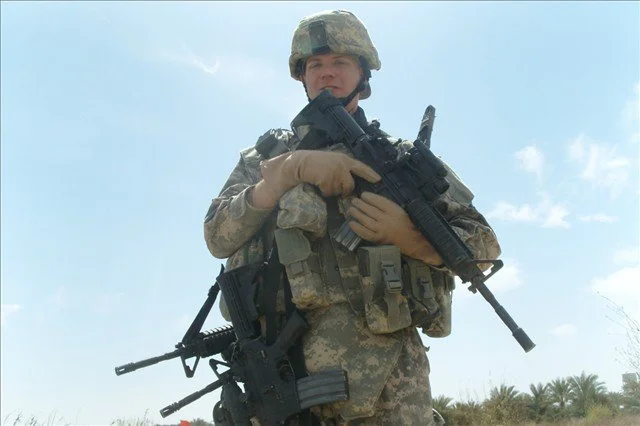
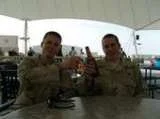
Then came Iraq. My first deployment was Kirkuk, and it was mostly the inside of the wire: perimeter security, long nights, calling out the direction of incoming rockets and the muzzle flashes of the people firing them. Out there, the enemy is a shape in your optics and a grid reference you send up the chain. When it ended we decompressed in the UAE, and I raised a glass as though I had seen the war. I had seen one narrow slice of it.
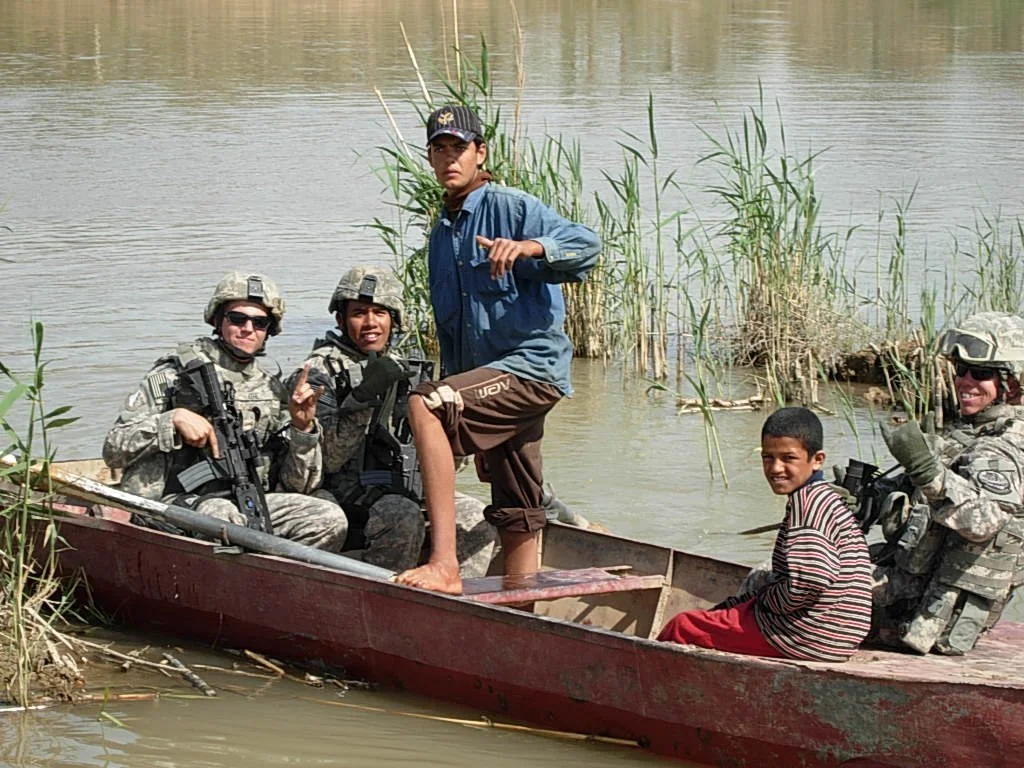
My second deployment, Balad, was different, and it changed me. I still worked the external perimeter, but this time I also went outside the wire, into the villages and towns, on intelligence and hearts and minds missions. I sat down with people my briefings had filed under enemy, and we drank chai, and they talked. They wanted their kids safe, their lights to stay on, and the shooting to stop. That was most of it. The longer I listened, the harder it became to hold the story I had arrived with. People are people, everywhere, and it is the war machines and the dictators and the zealots who need us to forget that. Extremism wears every uniform and every robe, not only the ones I had been taught to fear.
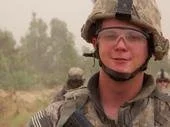
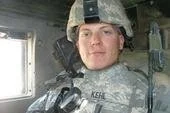
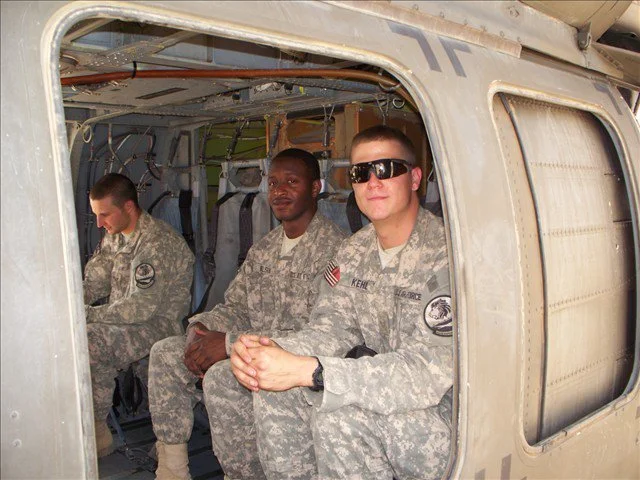
The last piece fell into place in Italy, where I guarded Global Hawk surveillance drones, the unblinking eyes of operations across the Mediterranean and North Africa. One ordinary night I was checking badges for defence contractors, the men who bill the taxpayer to keep the machine humming, and something turned over in me. I was guarding a business as much as a country. That was the night I decided my future was in cyber, where I could protect people and infrastructure without standing post for an industry that profits from the next war.
The reckoning
Let me hold two things at once, because both are true. I do not regret my service, and I am proud of the people I stood beside. They were brave and decent, and most of them enlisted for the same honest reasons I did. And the wars I took part in were not the wars I had been sold. Iraq was sold on weapons that did not exist, and the bill was paid by hundreds of thousands of people whose only ambition was to live. War crimes were committed and rarely answered for. We called it liberation while behaving, often enough, like an empire, which is the oldest string of all. History is written by the victors, every machine has an agenda, and the agenda is seldom the one printed on the recruiting poster.
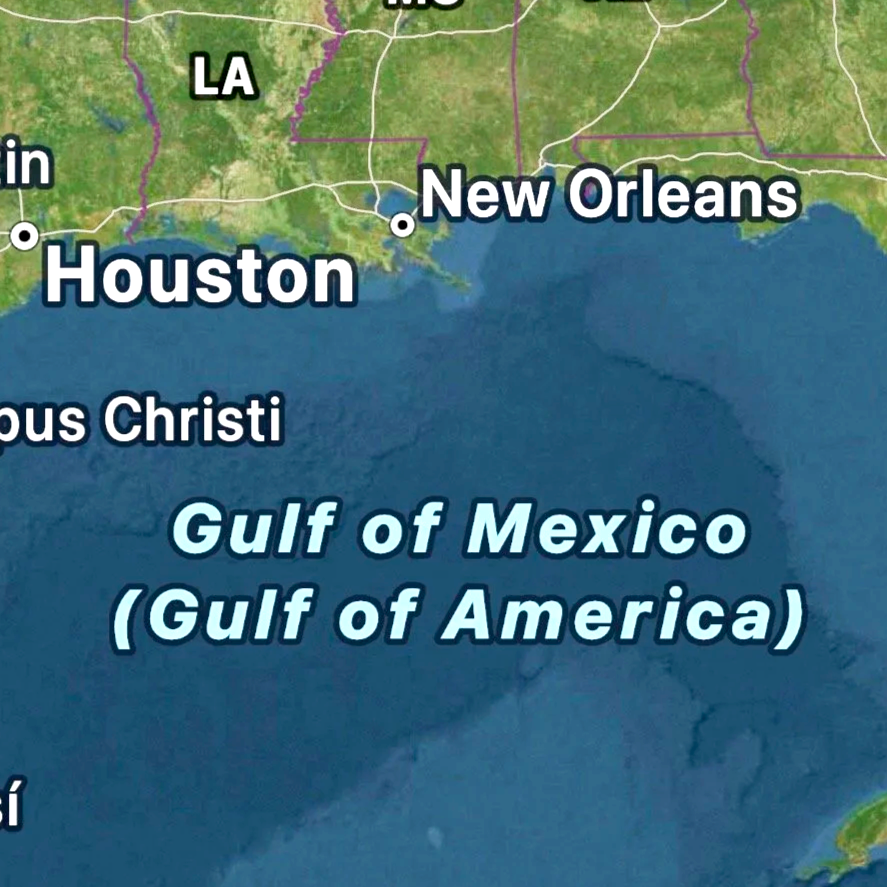
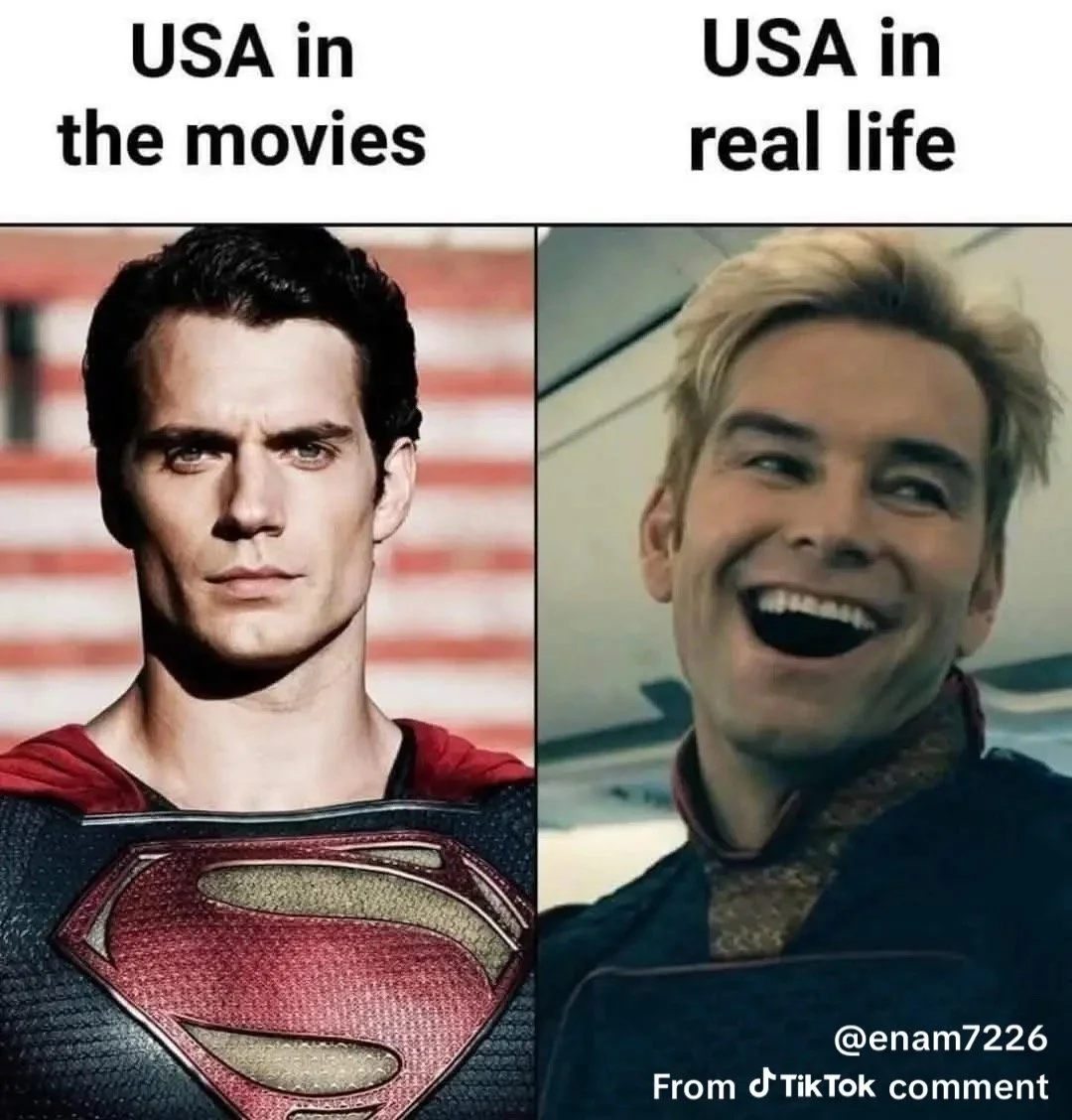
Once you have seen that, you start to see it everywhere, including at home. Dehumanisation runs domestically too, and right now it is the engine of the current administration, which has learned that frightened people will accept almost anything done to a group they have been taught to fear. Even the maps bend to it. On my phone, the same stretch of water reads as the Gulf of America when the map believes I am in the United States, the Gulf of Mexico when it believes I am elsewhere, and something carefully neutral when it is unsure. Big tech follows the regime, quietly, the way the textbook of my childhood tucked my future home into the corner of the page and trusted that no one would look. The strings were always there. I finally learned to see them.
Chapter Three. Wisconsin and Cybersecurity: A New Way to Stand Guard
I left the Air Force in 2014 and landed in Milwaukee with a security clearance, a strong back, and very few civilian skills. Security Forces had taught me how to protect things: layered defence, controlling access, watching for the anomaly, keeping a clean chain of custody, staying calm when the alarm goes off. It turned out those instincts had a second career in them. I started near the bottom, on a help desk, resetting passwords and listening to people describe problems they could not name, until I found the corner of the building where the same instincts applied to networks instead of flightlines.
Over the next twelve years I worked my way up, from help desk to security engineer, then into consulting and global incident response. I answered ransomware calls, rebuilt compromised environments, ran war games, and sat with executives on the worst night of their professional lives. Different domain, same job at heart: stand between something valuable and the people who would take it. Somewhere in there I also started teaching as an adjunct, because the best part of learning a craft is handing it on.

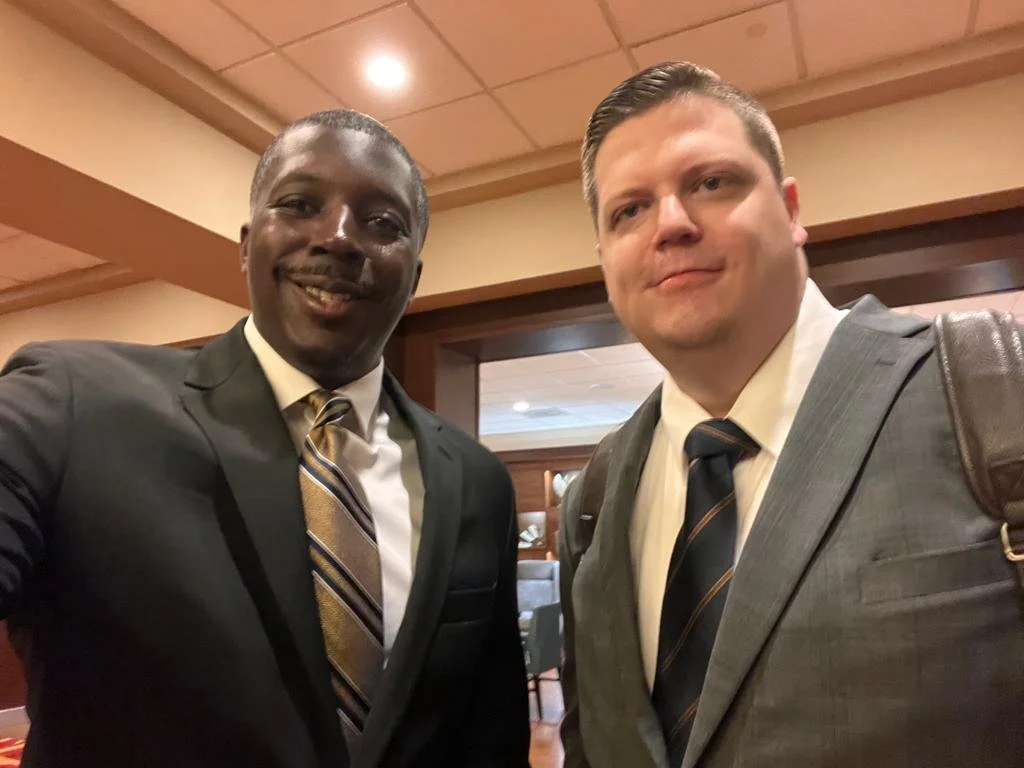
And somewhere in those years I met my partner, we married, and we had our children through IVF, which is to say they were wanted on purpose, planned and paid for and waited on long before they arrived. I will not put their faces in this post, but they are the reason for most of it. Nothing about them was an accident, which is probably why I think so hard about the world I am handing them.
Corporate life taught me a different kind of string from the one I learned in uniform. The war machine ran on belief. Capitalism runs on incentives, and once you can read the incentives, most of the theatre starts to make sense. I watched organisations spend more on looking secure than on being secure, because an audit has a deadline and a breach is only ever a maybe. I learned the gap between compliance, which is a box to tick, and risk, which is the actual wolf at the actual door. Reading those rules clearly is most of what made me good at my job. The strings in that world are simply the rules of a game, and the responsible move is to master the game well enough to protect the people inside it and to provide for the people who depend on you.
The better I got at reading the rules, the more one question kept surfacing. I was building a good life in a country whose strings I could see more clearly every year, with two small kids and a growing sense of where those strings were heading. The question stopped being whether I could master the game, and became whether it was the game I wanted my children to grow up inside.
Chapter Four. Aotearoa: Choosing What to Protect
One year in
We landed in late May of 2025, and a year is long enough to stop counting in days. Driving on the left is second nature now, my vowels have started to drift, and I say plaster instead of band-aid without thinking about it. Since we have earned residency visas via the Green List programme, my partner has been able to step away from her studies at the University of Waikato, the kids have a kindy and a routine and friends of their own, and we have the beginnings of a life rather than a long holiday. I came here towards something specific, and a year in, it is still here.
The beauty is the point
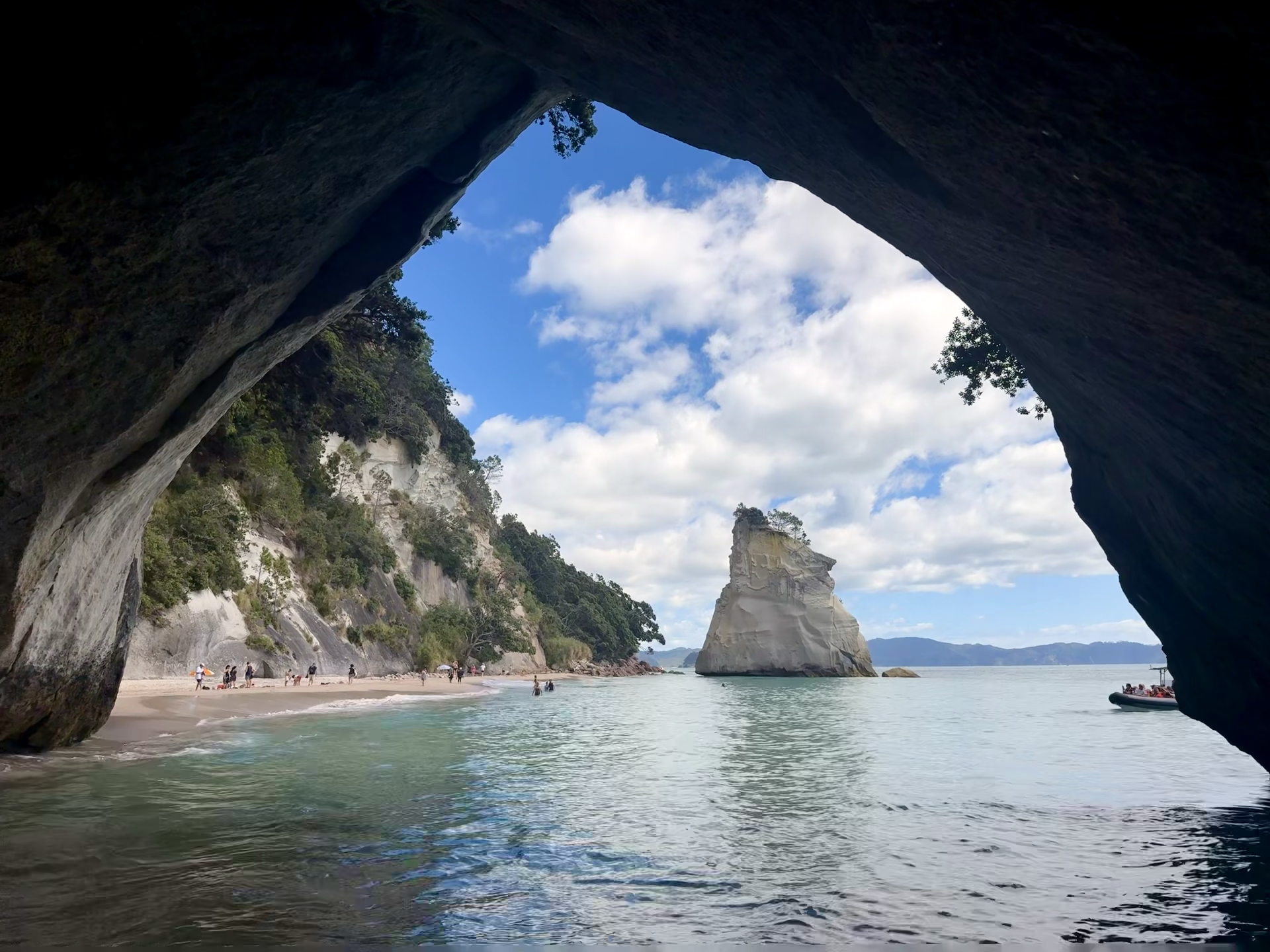
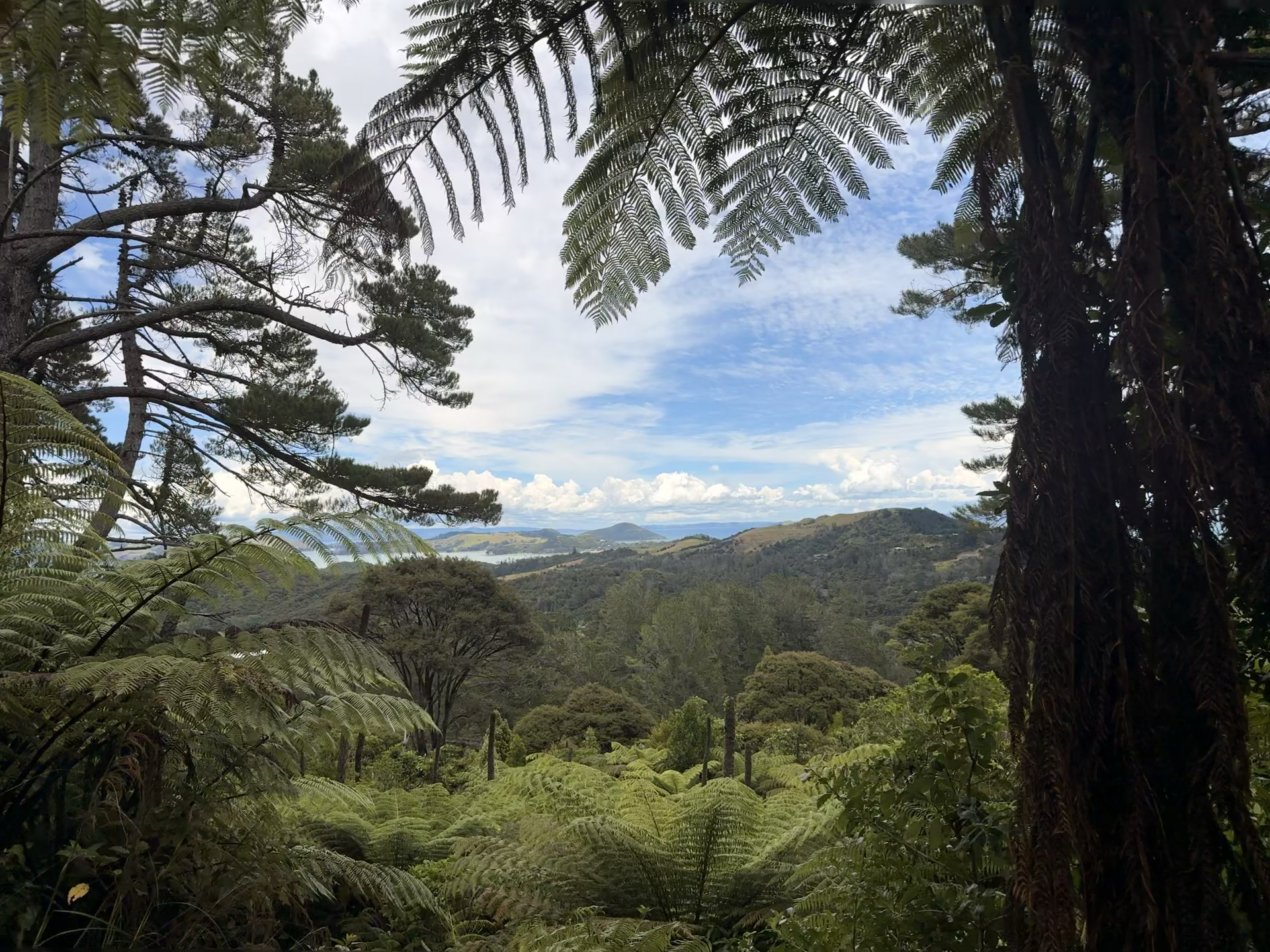
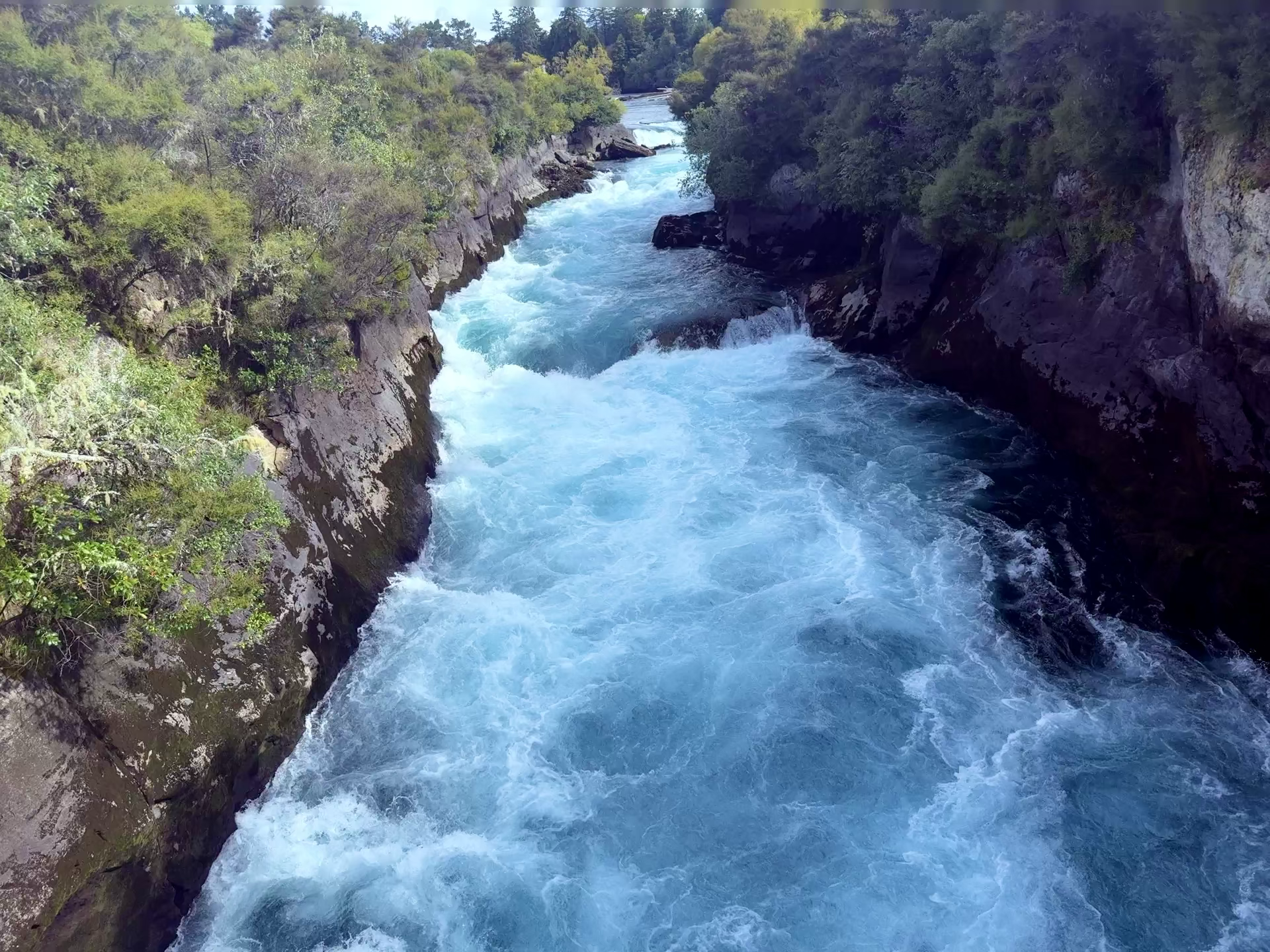
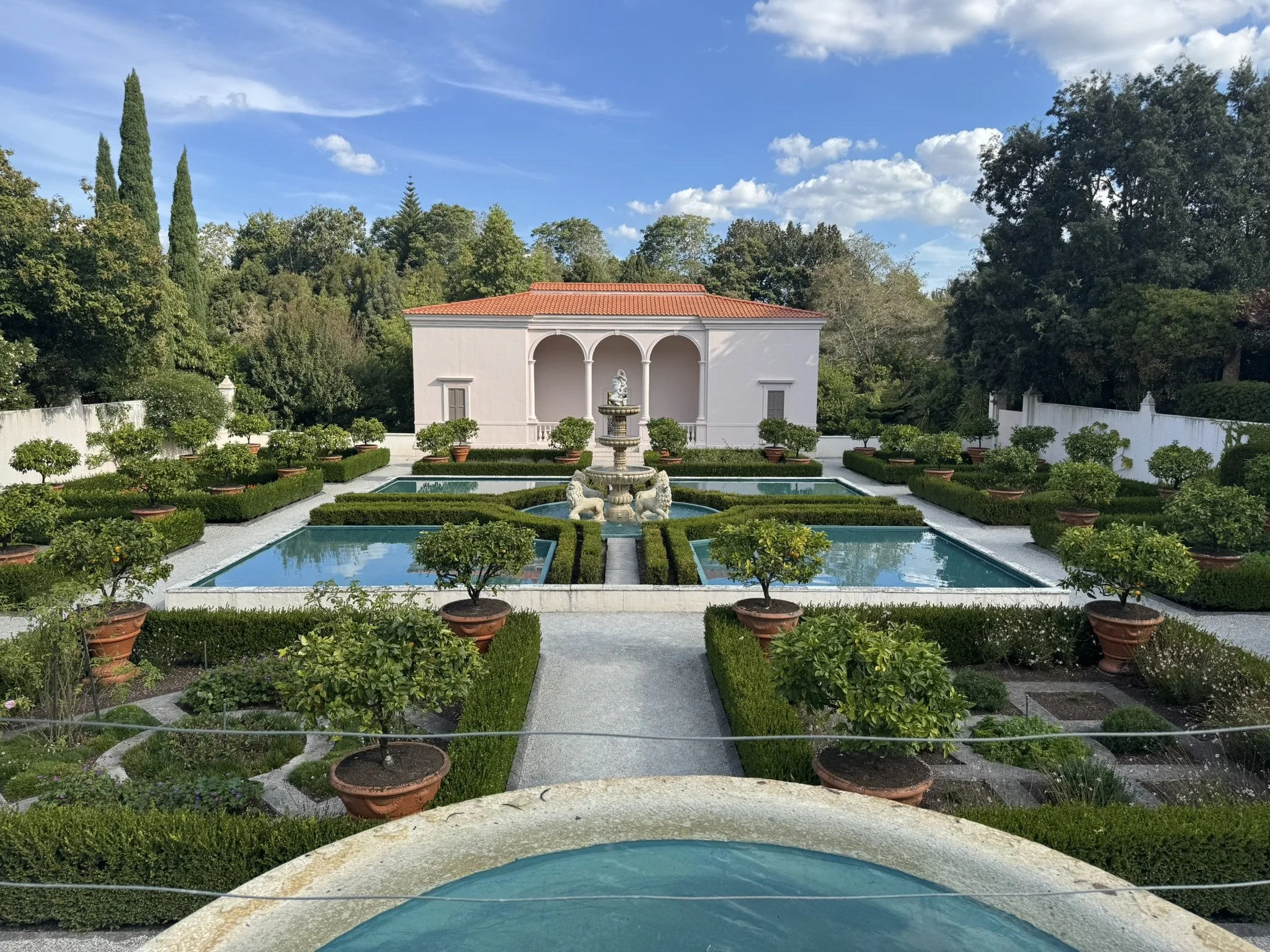
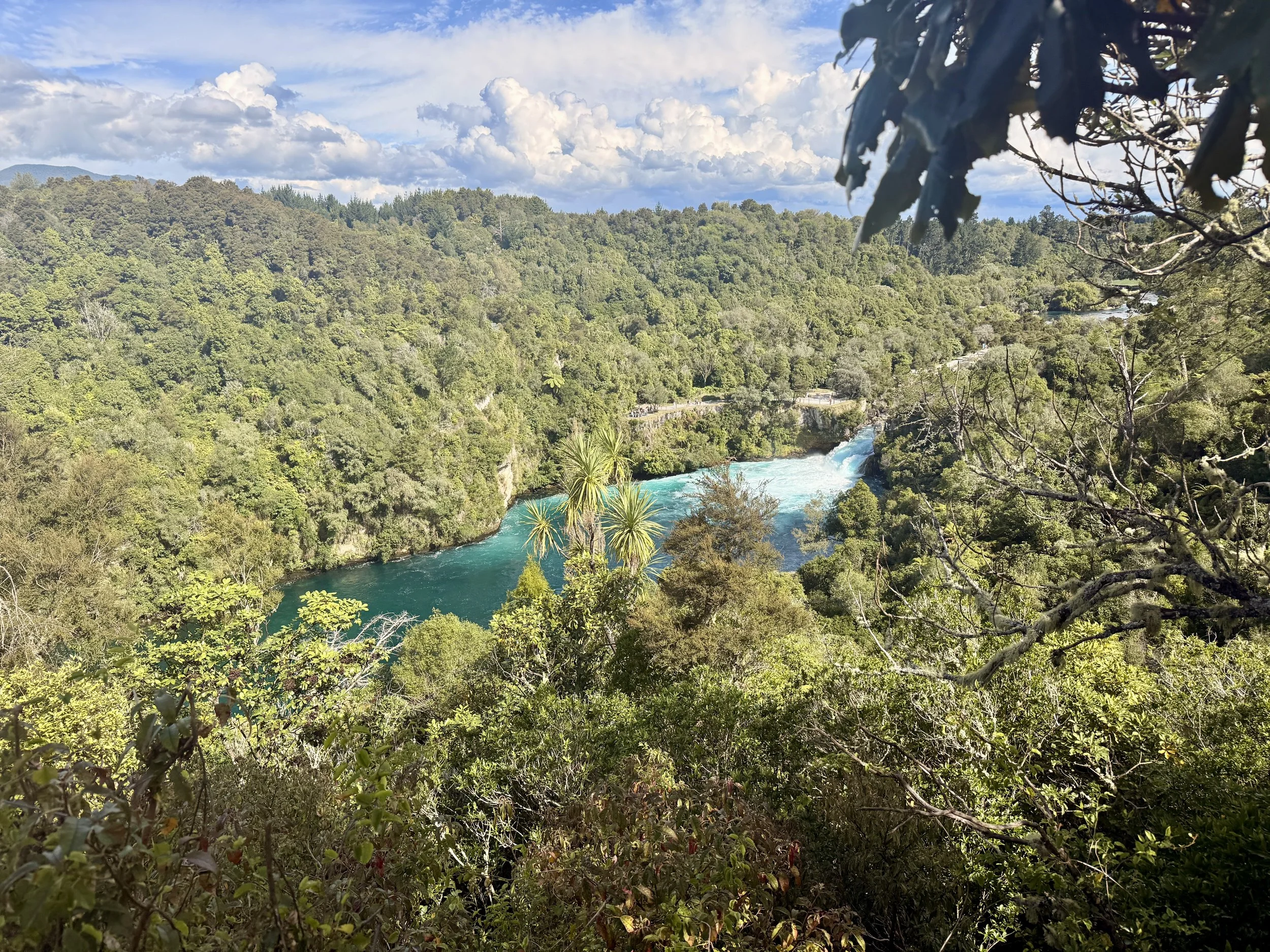
The first thing visitors notice is the scenery, and they are right to. The air is clean, the water is safe straight from the tap, and the food has not crossed a continent to reach the plate. What surprised me is how the beauty refuses to stay in the postcards. Where I grew up, a farm was a flat and functional thing. Here even the dairy paddocks roll out under the hills as though they were arranged for a film set. We have stood at the foot of Mt Ngauruhoe, which half the world knows as Mt Doom, and worn the kids out wandering the themed gardens in Hamilton.
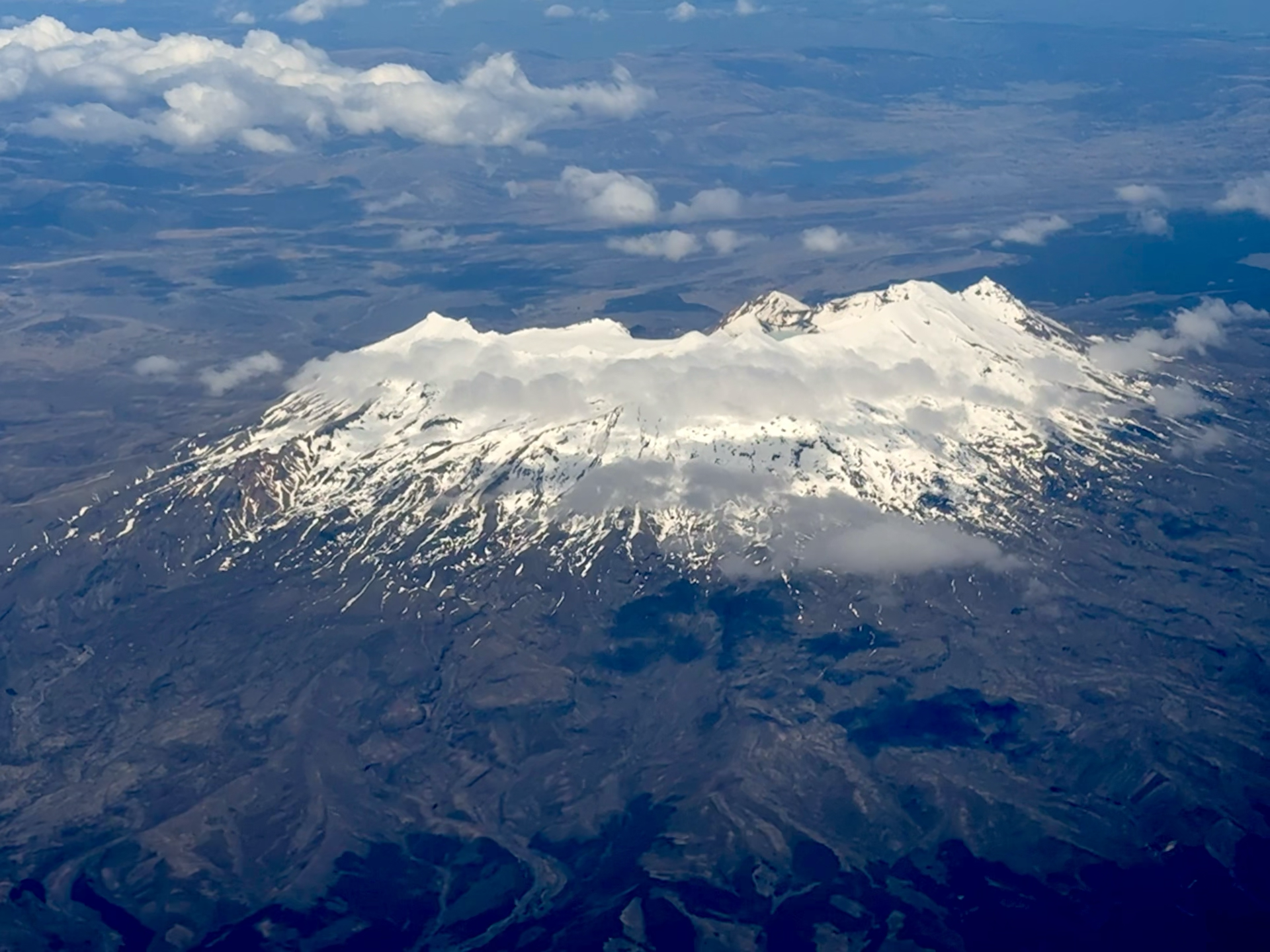
None of this is accidental. It rests on a relationship with the land and on te Tiriti o Waitangi, the founding agreement between the Crown and Māori, which is argued over, tested, and right now under real pressure. I am a guest here and still learning, but I can see that the things I value about this place are tied to that agreement being honoured. My kids come home from kindy with their pepeha, learning to name their mountain, their river, and where they belong. They are growing roots in a culture we all respect, and I intend to help defend the ground those roots are in.
Easier to belong than I expected
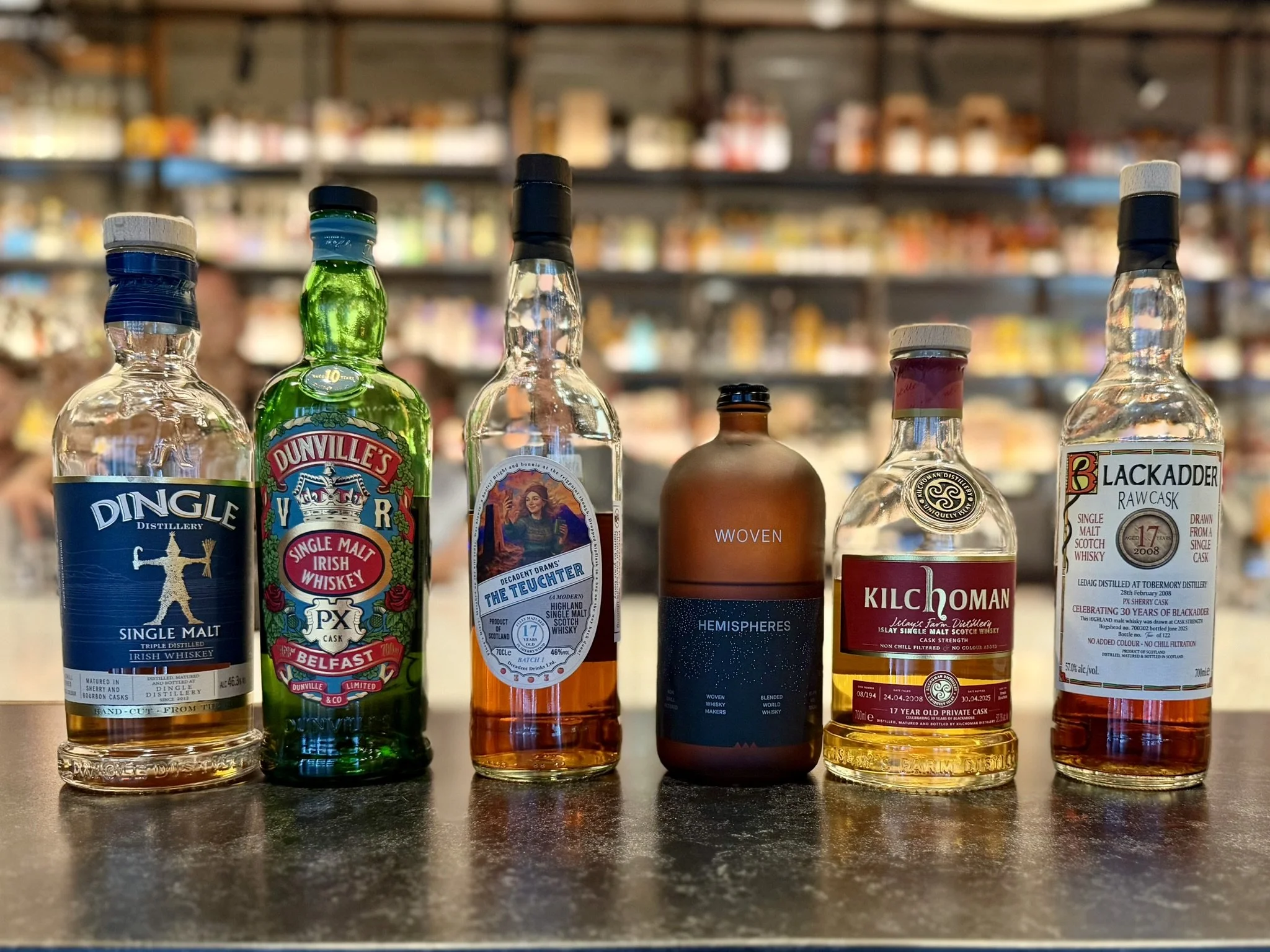
I was warned more than once that New Zealanders are friendly but hard to befriend, that the social doors stay politely shut. That has not been my experience. After a few nights at the local ISIG security meetups, I was invited into an invitation-only whisky club that gathers each month at a bar in Hamilton, a welcome warmer than anything I can remember in twenty years in the States.
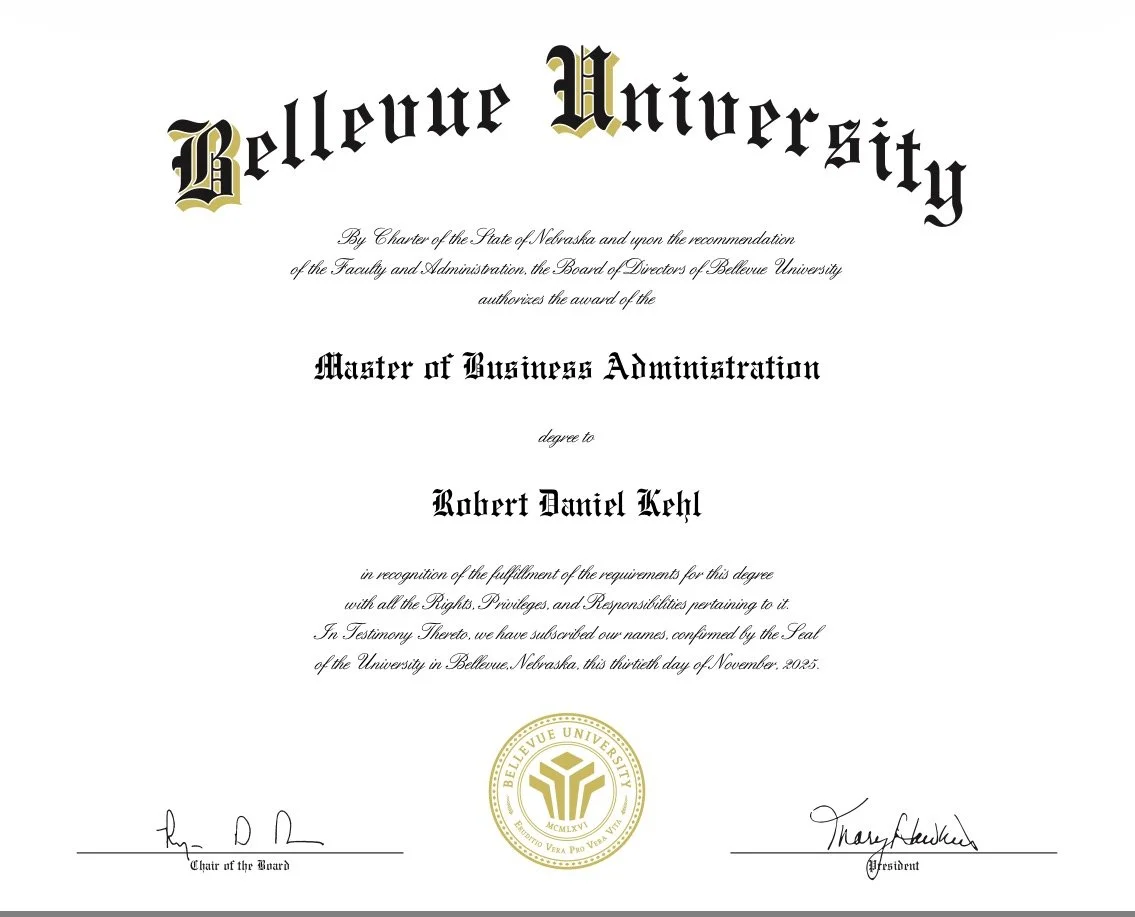
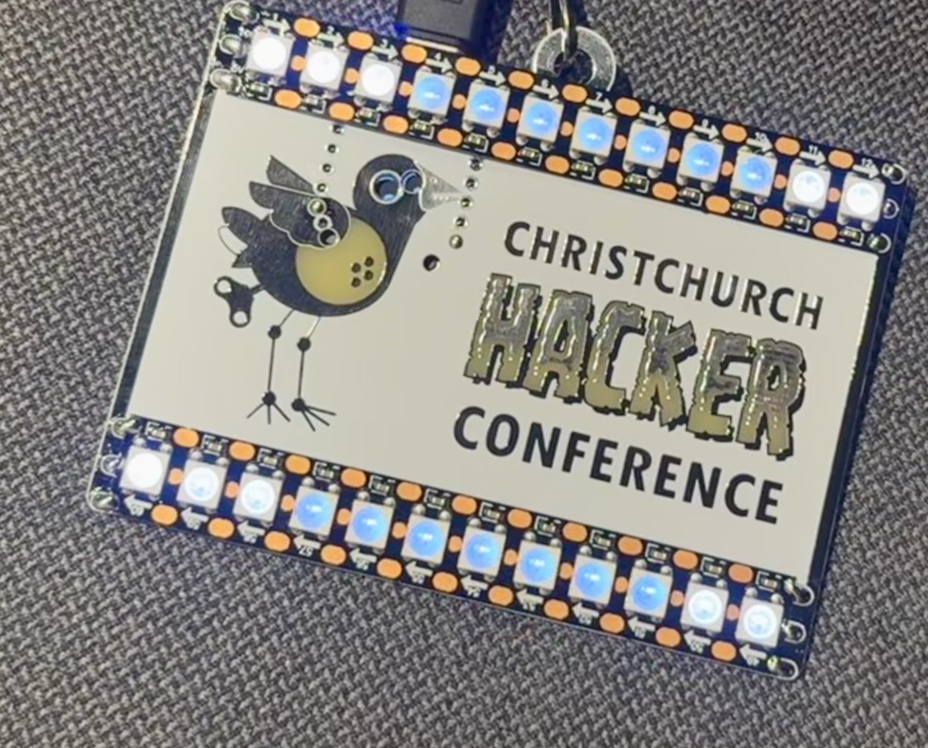
The professional welcome has been just as generous. I have presented at the Hamilton ISIG chapter, compared notes at CHCon and the CISO Leaders Summit, and found a genuine home in IT Professionals NZ. I finished my MBA after arriving, which felt like one page turning over. Around the same time, a back office at the US university where I taught as an adjunct quietly took me off the roster. The reason was small and bureaucratic. Someone grew nervous that I now worked for a "foreign company" and was unsure how the international tax worked, and it had nothing to do with the students or their data. I do not blame them for not knowing. I just noticed the old page swinging shut as the new one opened.
It’s EXPENSIVE!
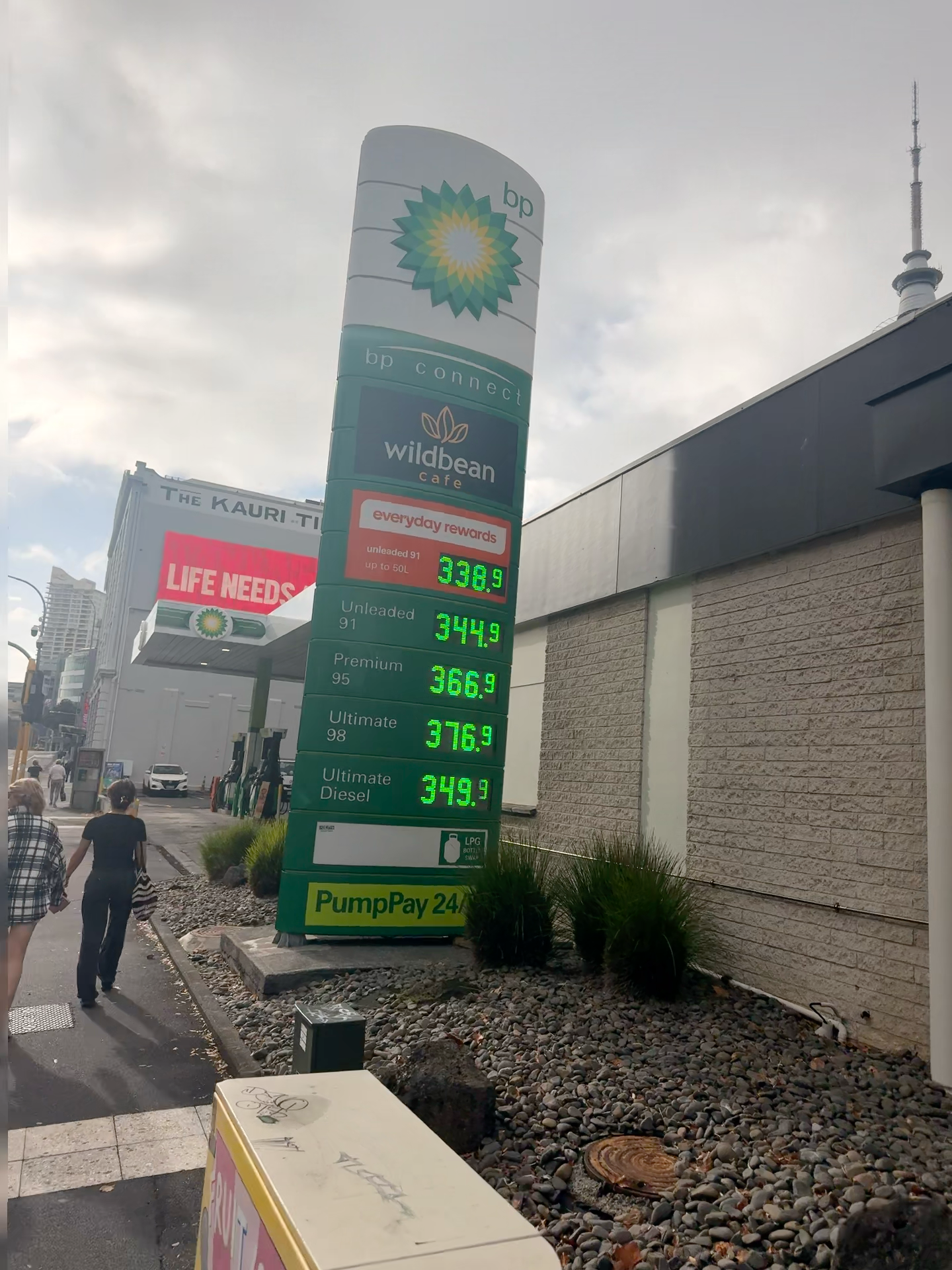
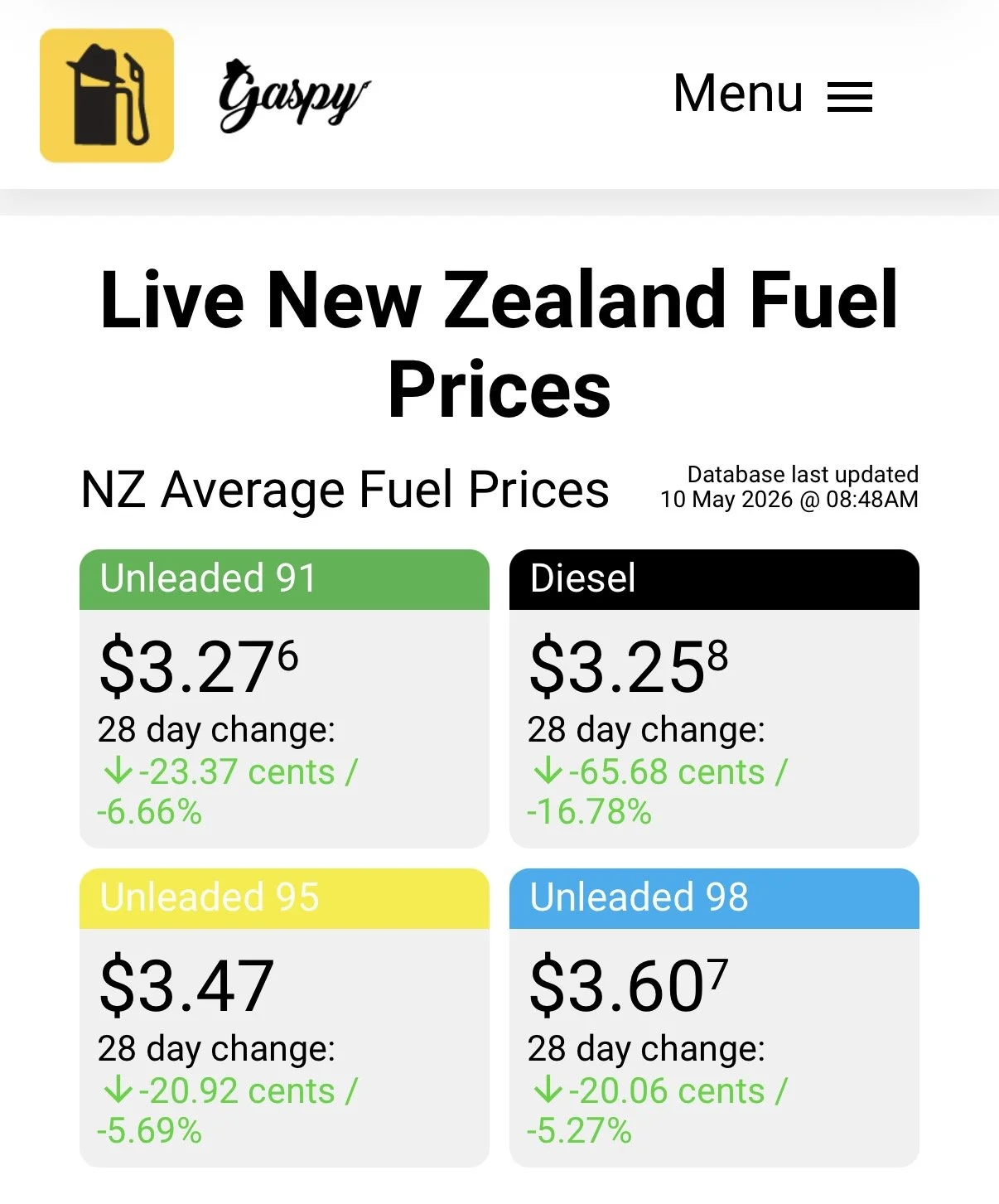
Let me be straight about the costs, because a standard this good deserves to be held high and pushed higher. Petrol is the easy headline. As I write, it is around $3.40 a litre, which works out to nearly thirteen New Zealand dollars a gallon. For my US readers running the conversion, that is roughly seven dollars seventy in US terms, though the conversion barely matters, because my wages are in New Zealand dollars and that is the only currency that counts at this pump. Picture pulling in and paying thirteen dollars a gallon. The most conservative people I have met here are furious about it, and they are right to be. Prices have climbed more than fifty cents a litre since the latest Middle East conflict, the same conflict pushing US pump prices to their highest in years, which is exactly the point. The war machines and the men who profit from them jerk the supply chains around, and ordinary families on both sides of the Pacific pay for it at the pump.
Healthcare tells the same story from the other side. There is a medication I take that would have cost me about fourteen hundred US dollars a month out of pocket back home, after the customary fight with an insurer. Here it runs about four hundred and sixty New Zealand dollars, and getting it was a single conversation with my GP once we had residency, with no insurer, no third party, and no appeal to lodge. I want to be careful how I say this, because measuring New Zealand against the United States sets the bar on the floor. What I want is for us to hold this standard high and keep making it better, and to protect a system that treats getting care as ordinary rather than a battle.
Learning to stand up
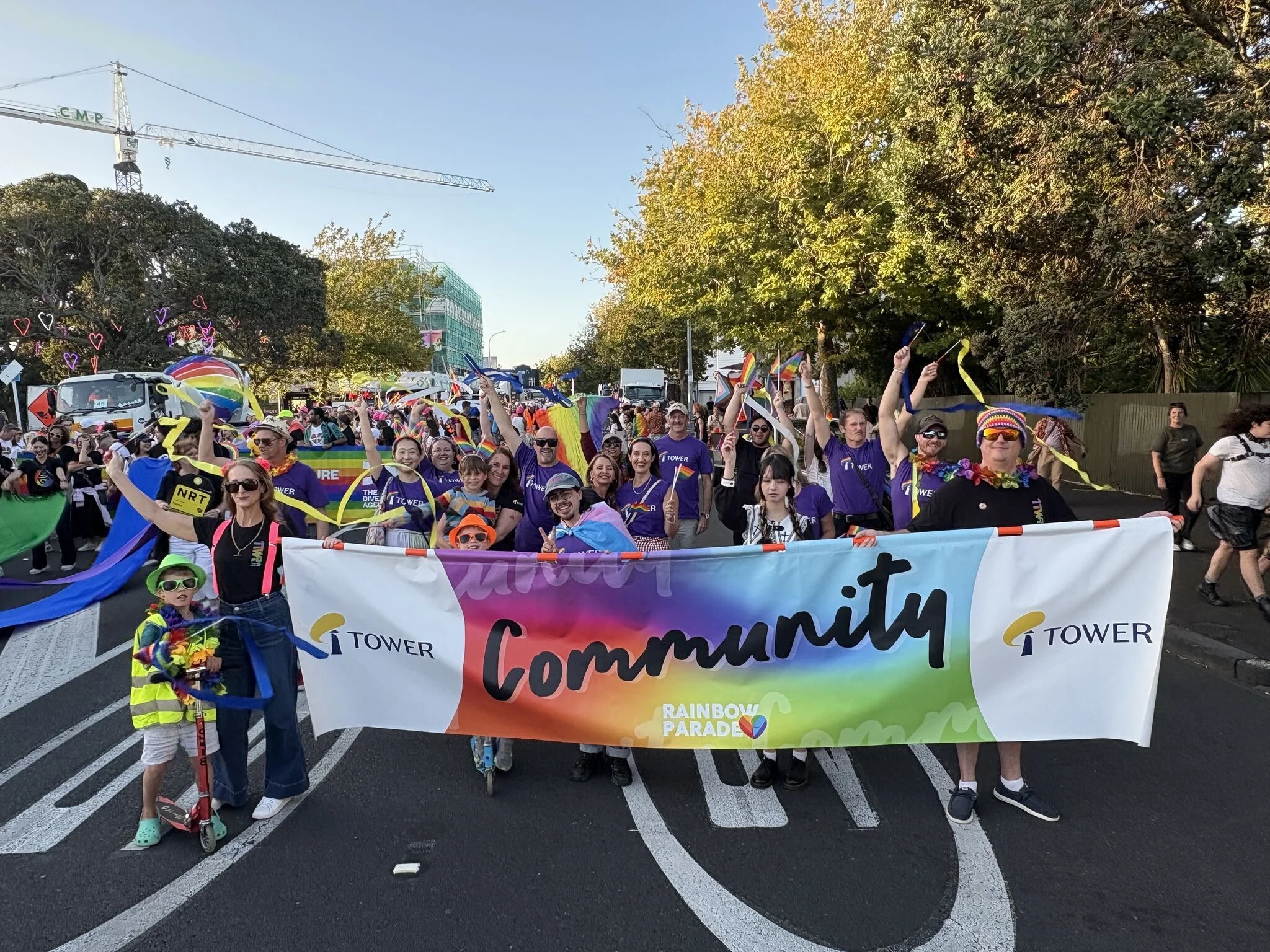
The biggest change in me is what I am now willing to stand up for. Last season I pulled on a rainbow hat and marched in the Auckland Rainbow Parade with my employer, Tower. I would not have done that in the States. I am a straight man with a family, and I told myself it was not my fight. Here, watching what is being done to vulnerable people back home, I understand that it is everyone's fight, and that silence is how good things get dismantled while decent people look the other way.
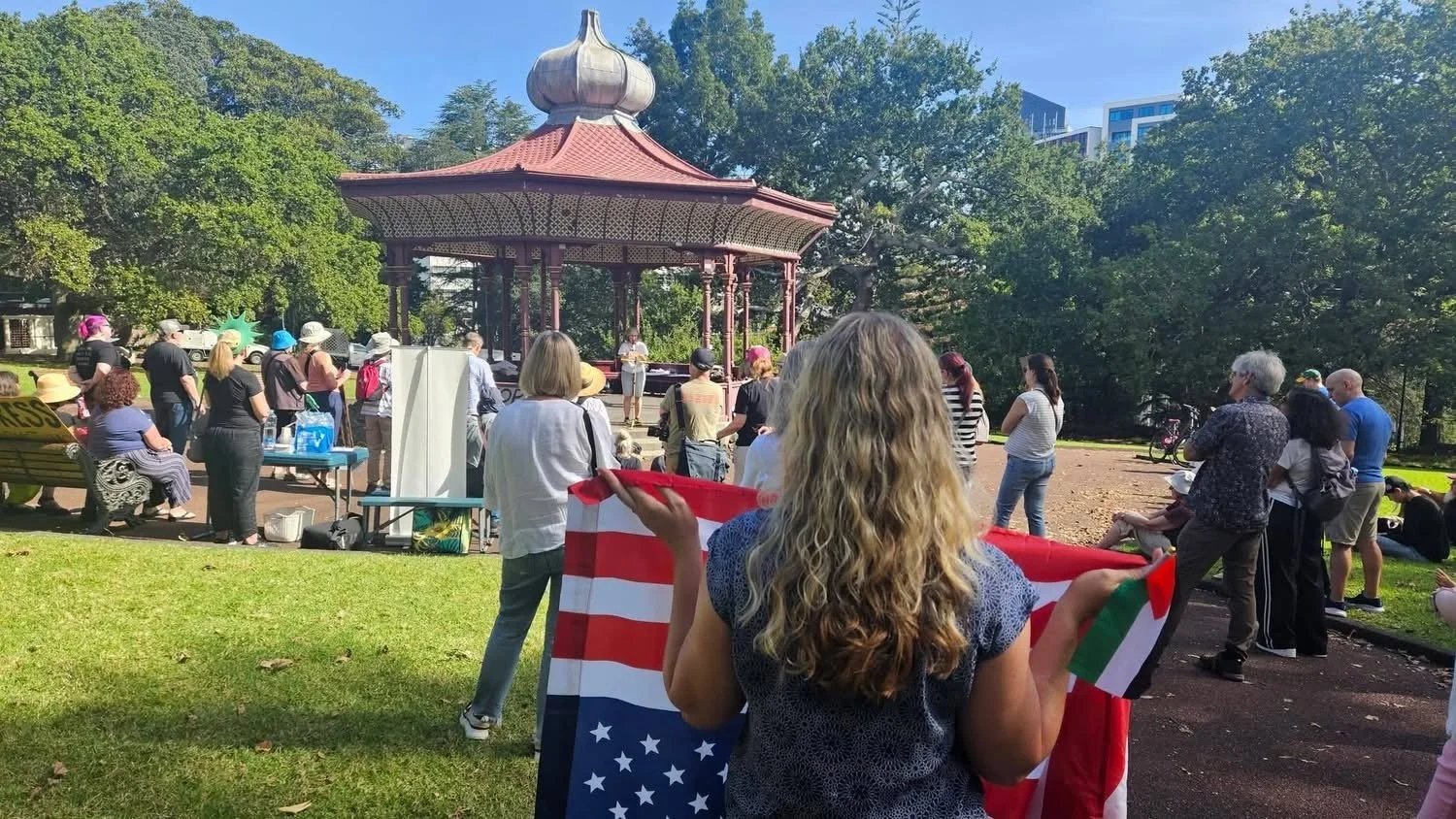
That same instinct is why I plan to turn up at the protests here against the current US regime and against tyranny more broadly. It can feel absurd to protest a foreign government from the bottom of the South Pacific, and yet the same playbook travels, and so does the same money. Standing up here, loudly and early, is part of making sure the hellscape I can see taking shape elsewhere never takes root in the country my children are growing up in.
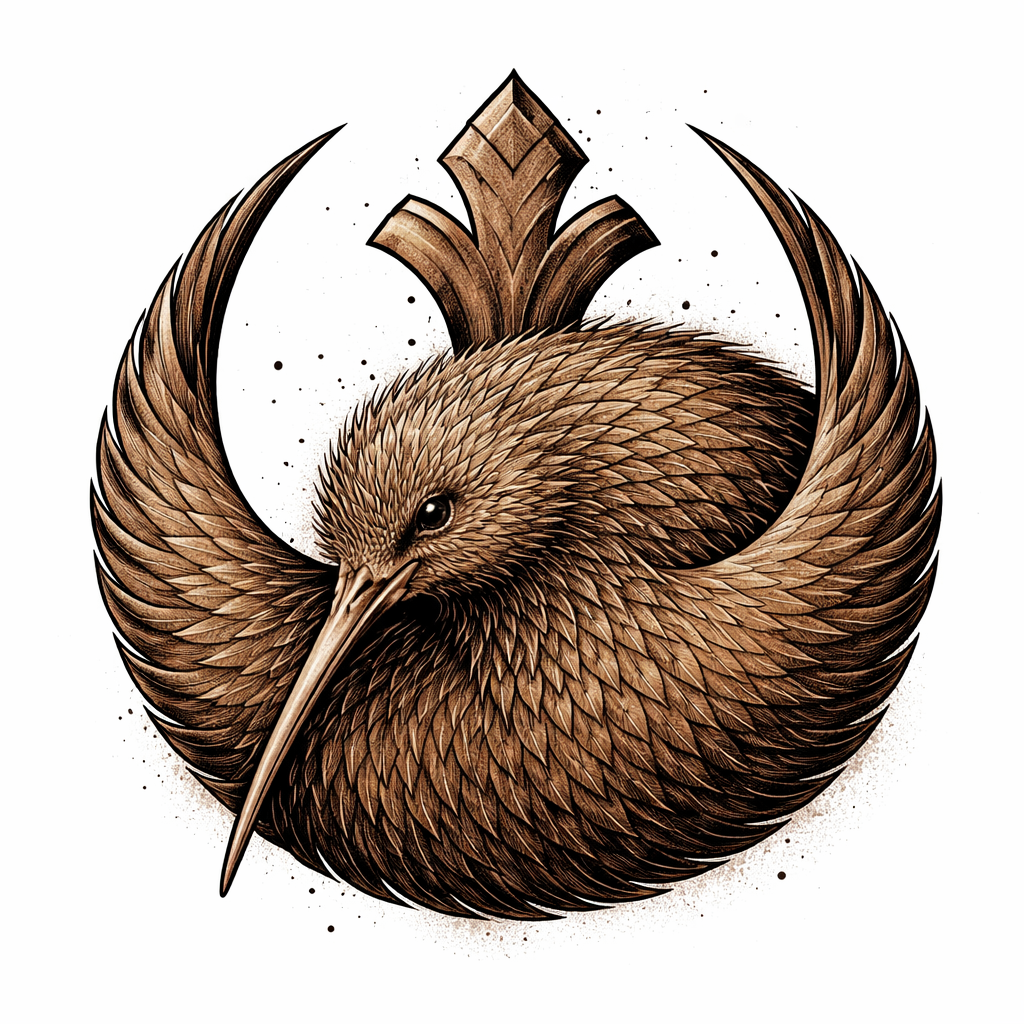
Which brings me back to the strings. For most of my life I could not see them. Now I can, and it turns out that seeing them comes with a bill: once you know how easily good things are taken apart, you do not get to look away. So I have made my choice, with clear eyes and no regrets. I am raising my kids in a country with clean air, clean water, and a culture worth respecting, and I am going to spend my time here helping to keep it that way. Somewhere along the line I adopted a small emblem from a social media trend, the old rebel-alliance starbird remade as a kiwi. It says what I mean. I am for the people, and against tyranny. That is where twenty years of learning to see has left me. Ah, there's the strings. Now I know what to do with them.