Settling the Family
Relocating with a young family has been both the hardest and the most rewarding part of these first 120 days. My four-year-old struggled more than I anticipated. She missed her friends deeply, and the move felt disruptive in ways that are hard to explain at that age. The early weeks were difficult, and I underestimated how much adjustment she would need. The good news is that she has now settled into Kindy, made new friends, and built a social circle that gives her a sense of belonging.
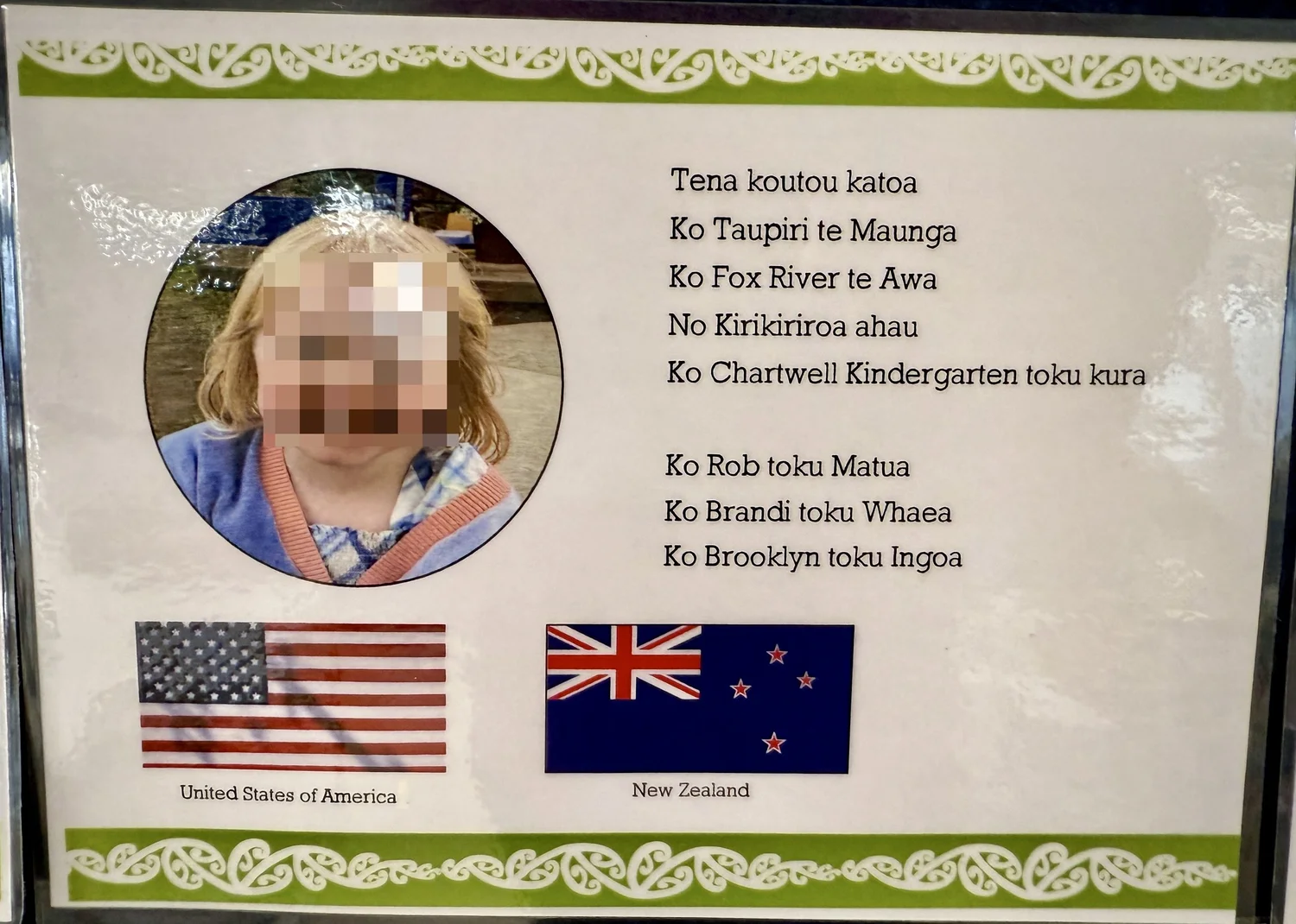
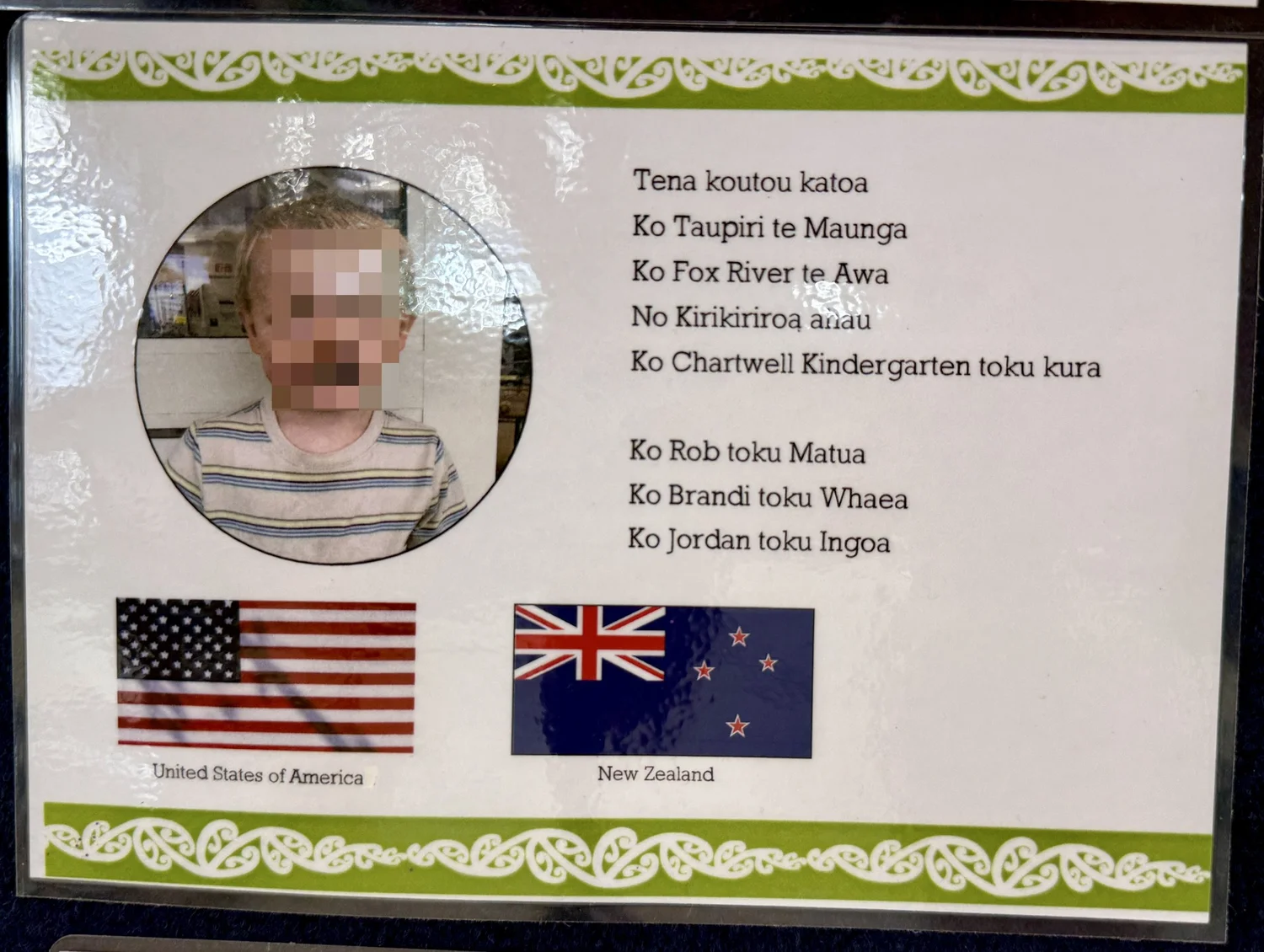
My two-year-old adapted faster. Because he is younger, he is naturally more independent. He slips into playgroups easily and still finds ways to socialise with local kids. The transition for him has been lighter, though no less meaningful, as he builds his own connections. Both children are now part of a community where they are not just cared for, but where te ao Māori is woven into the everyday learning environment. Seeing them come home with their own pepeha is a reminder that this move is about more than geography, it is about growing roots in a culture and community we all respect.
This transition is not just about the children. My partner has also begun her first trimester at the University of Waikato, which is another step toward embedding our family into the life and rhythm of Aotearoa New Zealand.
We were fortunate to secure housing before we left by asking enough property managers to conduct FaceTime and Zoom tours. Several ghosted us at first, but eventually a helpful agent at Ray White Hamilton came through. Even so, we could not turn on the utilities until we were physically present, so after arriving to an empty house we had to stay in a motel for a few days. That first week was spent buying everything from scratch such as beds, appliances, cars, even the small things that normally accumulate over years.
Then came the basics of establishing life here: new phone numbers, IRD numbers, driver’s licences (issued automatically if you already hold an American licence, no test required), and health insurance. Because we do not yet hold permanent residency, we are classified as “casual.” Even so, health insurance is about one-fifth of what we were used to paying in the U.S., which was an unexpected relief. Opening a bank account also took time. With my work visa (through my partner’s student visa), I was eventually able to do it, but it required verifying identities, providing banking history from the States, and working through the local compliance steps.
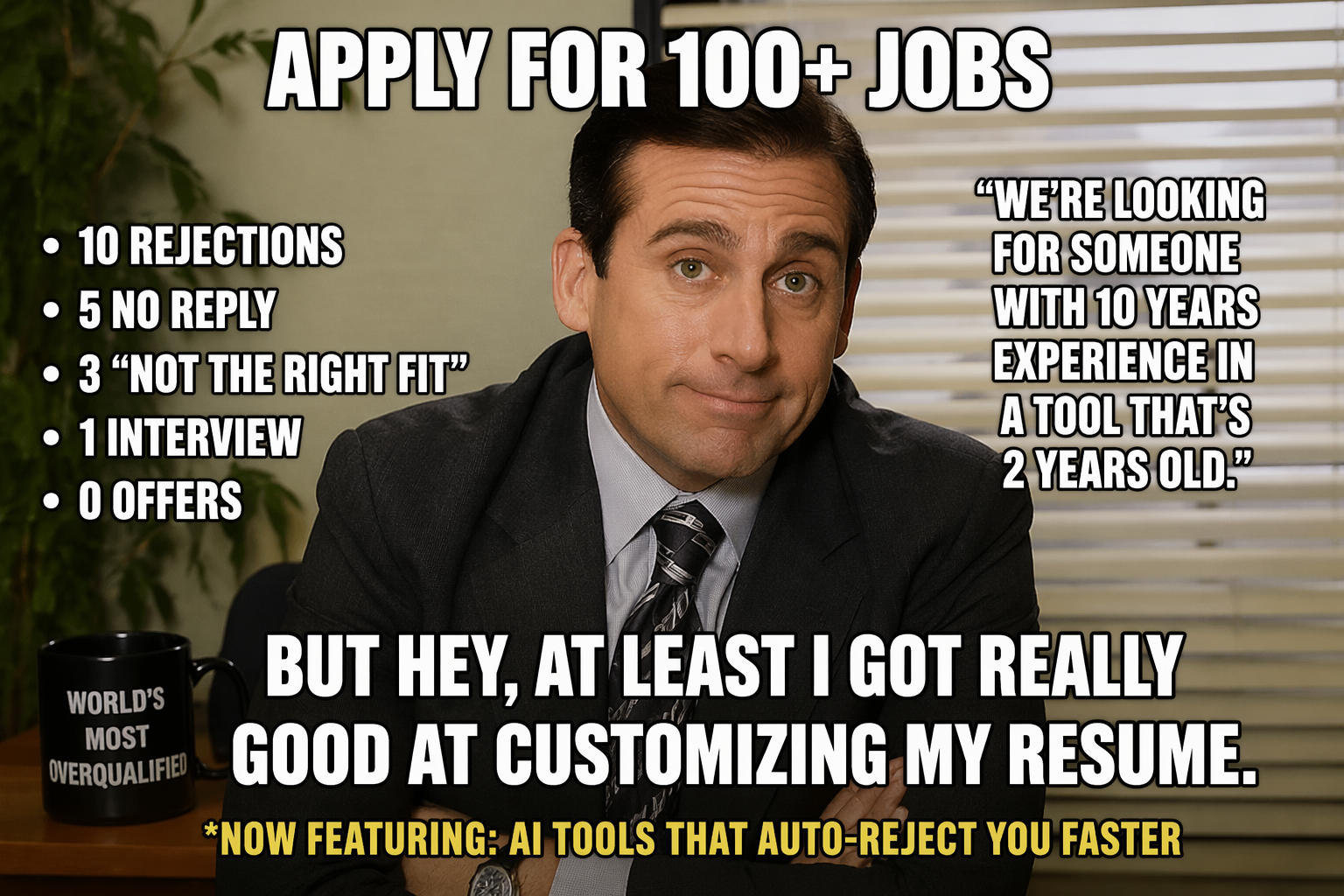
Professionally, I also had to adapt quickly. Writing a CV here is very different from the American format, and I took a shortcut by working with CV People NZ. It was worth every dollar. By Month 3 I was in active job-hunting mode, with several interviews and one particularly promising opportunity that I hope to announce soon.
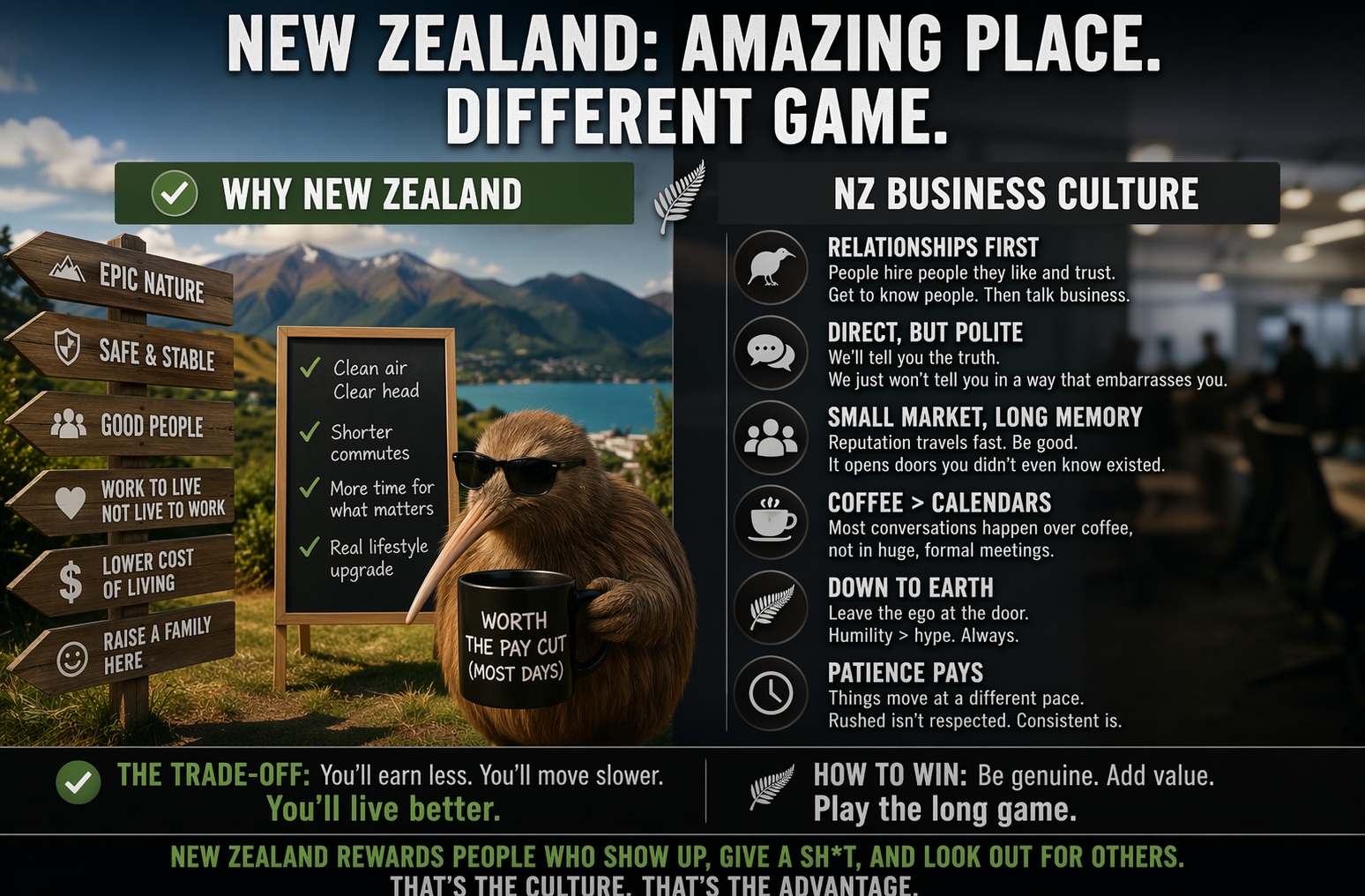
Now, four months in, we are focusing more on cultural integration. Small things matter: saying “plaster” instead of “band-aid,” or “sneakers” instead of “tennis shoes.” I will never have the accent, nor do I want to appropriate anything that is not mine, but I do want to show respect through effort. Even something as simple as avoiding trauma dumping or learning not to overwhelm people with American energy has been part of that process.
These milestones, big and small, are proof that the move is not just mine, but ours.